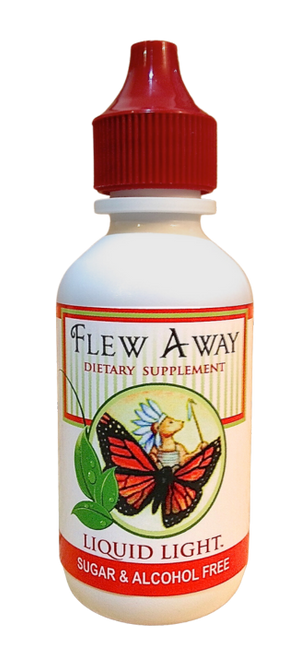
ALRG is our tonic formula for seasonal allergies, crafted from an authentic Traditional Chinese Medicine formula.
A tonic, not a quick fix:
- Authentic Traditional Chinese Medicine formula
- Best results when used daily over several weeks
- Ma Huang and Ephedra-free
- No alcohol, sugar, soy, salt, starch, yeast, wheat, gluten, corn, milk, egg, preservatives, or major allergens
- Herbal allergy support for the whole family
“I left a review when I first started taking ALRG and expressed my utter amazement for the product. Well, now I have used it for about a year, and my appreciation has only grown. I love it!” Niki
*Individual results may vary.
ALRG was created by Dr. Ping Qi Kang, a TCM doctor from Shanghai, China. Unlike a formula you reach for only once symptoms hit, ALRG is meant to be taken daily, ideally starting a few weeks before your allergy season typically begins, and continuing right through it.*
TCM approaches seasonal allergies differently from Western herbalism. Rather than targeting a single symptom, this formula works with several traditional concepts at once: supporting the body's Defensive Qi (the traditional concept closest to what Western Herbalism calls immune resilience), addressing what TCM calls "Wind" invasion (a traditional framework for sudden, moving symptoms like sneezing and itching), and supporting the lungs and liver, both considered central to allergic response in TCM theory.*
Pairs well with: Customers often use it with NR Glow. ALRG is part of our Allergy Support Wellness Kit, alongside ViraMune and Sinus Minus.*
Cost Per Ounce Bottle Comparison:
- 2 oz at $14.95 is: $7.47 per ounce
- 8 oz at $45.95 is: $5.74 per ounce
- 32 oz at $139.95 is: $4.37 per ounce
Each of our bottles has its own advantage:
- 2 oz: Child Size - Or for travel and taking on a plane.
- 8 oz: Adult Size - Comes with our convenient Flip Cap.
- 32 oz: Family Size - Our most economical choice.
Ingredients
Rehmannia (Rehmannia glutinosa), known as Di Huang: In Traditional Chinese Medicine, rehmannia is valued for supporting the liver, which some TCM theories consider closely tied to allergic responses.*
Astragalus Root (Astragalus membranaceus), known as Huang Qi: One of the most important herbs in TCM for tonifying Wei Qi, the body's protective, defensive energy. Astragalus is the lead herb in Jade Windscreen, a centuries-old classical TCM formula still used today to help the body resist seasonal and airborne triggers.*
Xanthium (Xanthium sibiricum), known as Cang Er Zi: A classic TCM herb specifically used to open the nasal passages and disperse what TCM calls "Wind," the traditional framework for sudden, moving symptoms like sneezing and a runny nose.*
Centipede Herb (Centipeda minima), known as E Bu Shi Cao: A traditional TCM herb associated with clearing the nasal passages and dispersing Wind, working alongside xanthium toward the same goal.*
Siler Root (Saposhnikovia divaricata), known as Fang Feng, which translates to "guard against Wind": Paired with astragalus for centuries in classical TCM formulas, siler root is considered gentle enough for long-term, ongoing use, exactly the role it plays here.*
Skullcap Root (Scutellaria baicalensis), known as Huang Qin: A traditional TCM herb used to clear what's called "Heat," relevant to the inflamed, irritated feeling that often comes with seasonal allergies.*
Capillaris (Artemisia capillaris), known as Yin Chen: A member of the wormwood family, capillaris is a classic TCM herb for supporting the liver, tying back to this formula's whole-body approach.*
Angelica, known as Bai Zhi in TCM allergy formulas: In classical TCM, Bai Zhi is specifically used to clear nasal congestion and ease sinus pressure, commonly paired with xanthium in traditional formulas.*
Jujube (Ziziphus jujuba), known as Da Zao: In TCM, jujube isn't included for one specific action; it's traditionally used to harmonize a formula, helping the other herbs work well together.*
Licorice Root (Glycyrrhiza uralensis), known as Gan Cao: Considered one of the great harmonizing herbs in TCM, said to enter all twelve meridians and moderate the actions of the other herbs in a formula.*
Spirodela Leaves (Spirodela polyrhiza), known as Fu Ping, or duckweed: One of the fastest-growing plants in the world, traditionally used in TCM to support the lungs and the body's fluid balance.*
All eleven ingredients are in a base of Kosher Vegetable Glycerine and Reverse Osmosis Water.*
*TriLight Health employees are not licensed practitioners and cannot prescribe which products you should use. Our comments are educational. If you are pregnant or breast-feeding, please see our pregnancy safe section. As with all our formulas, especially if you are pregnant or breast-feeding, please consult your health care practitioner before using products with any other medications. *Disclaimer: These statements have not been evaluated by the FDA. These products are not intended to diagnose, treat, cure or prevent any disease.
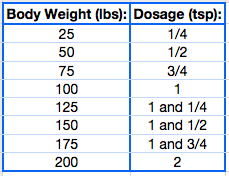
Suggested Use: 1/4 teaspoon (per 25 lbs. body weight) straight or in water, every 3 hours. Allow 2 hours before taking any other medication. Please consult your health care practitioner before using.*
Store away from children.
See Dosage Chart below: