FAQ- Wildcrafted vs Organic Herbs: Which Is Better?
Posted by TriLight Health on Apr 17th 2026
Q- What is the difference between "wild-crafted", organic, and certified organic herbs?
A: Generally, wild-crafted herbs are grown and harvested in their natural habitat, while organic herbs are grown under controlled situations. Certified organic herbs are third-party inspected to assure purity. Not all herbs are certified organic yet; we try to purchase this type of herb first, and our suppliers assure us that the botanicals are free of chemical pesticides and are not irradiated.
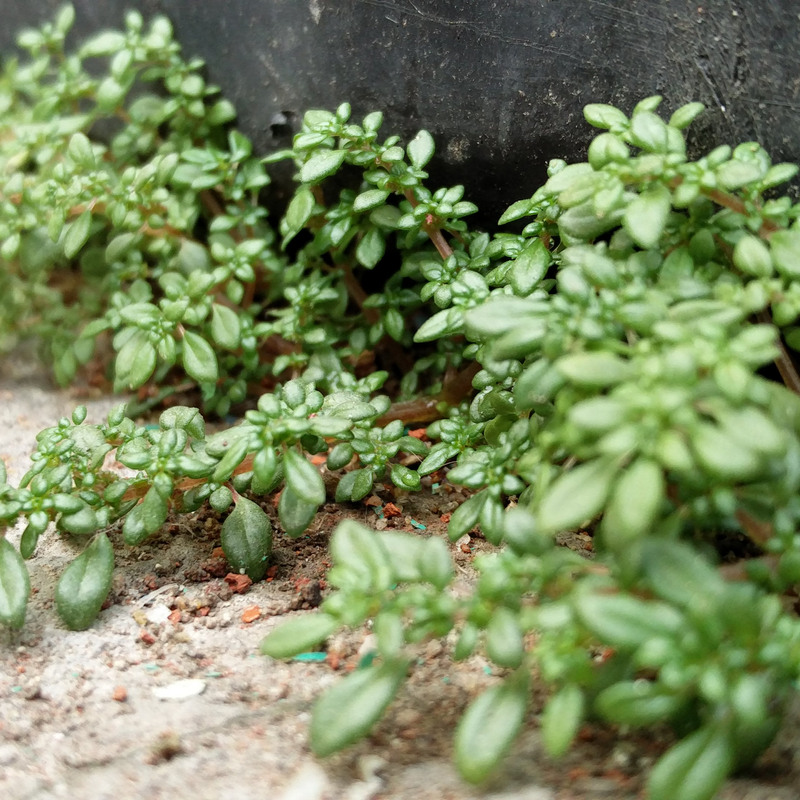
The organic method of growing food means that no artificial pesticides or chemicals are used in the production process. Many modern farms use a wide range of chemicals in their production processes to control pests and other problems. Not only are the bugs killed, but the food also contains many of these highly toxic substances. Simply by eating this contaminated food, you are basically putting yourself at risk to some degree.
Trying to follow a diet with as many organic foods and supplements as possible will help you minimize exposure to harmful pesticides and chemicals and avoid long-term health effects.
Many people ask whether organic or wildcrafted herbs are “better.” The truth is that both can be excellent choices when sourced responsibly. Quality depends not only on where herbs grow, but also on harvesting methods, processing, freshness, and supplier testing standards.
| Certified Organic Herbs | Wildcrafted Herbs | |
|---|---|---|
| Environment | Cultivated on regulated farms with controlled conditions | Grows naturally in native habitats |
| Pesticides/Chemicals | No synthetic pesticides or herbicides (verified) | None applied, but potential exposure from the surrounding areas |
| Certification | Third-party certified (USDA Organic, etc.) |
None; relies on ethical harvester standards |
| Consistency | High w/ predictable potency and quality | Varies by season, location, and harvest conditions |
| Potency & Nutrients | Excellent, especially in rich regenerative soil | Often higher due to natural stressors and resilience |
| Sustainability | Supports soil health and reduces wild pressure | Can be sustainable if done ethically; risk of overharvesting |
| Traceability | Excellent w/ full supply chain documentation | Good when from reputable suppliers; more variable |
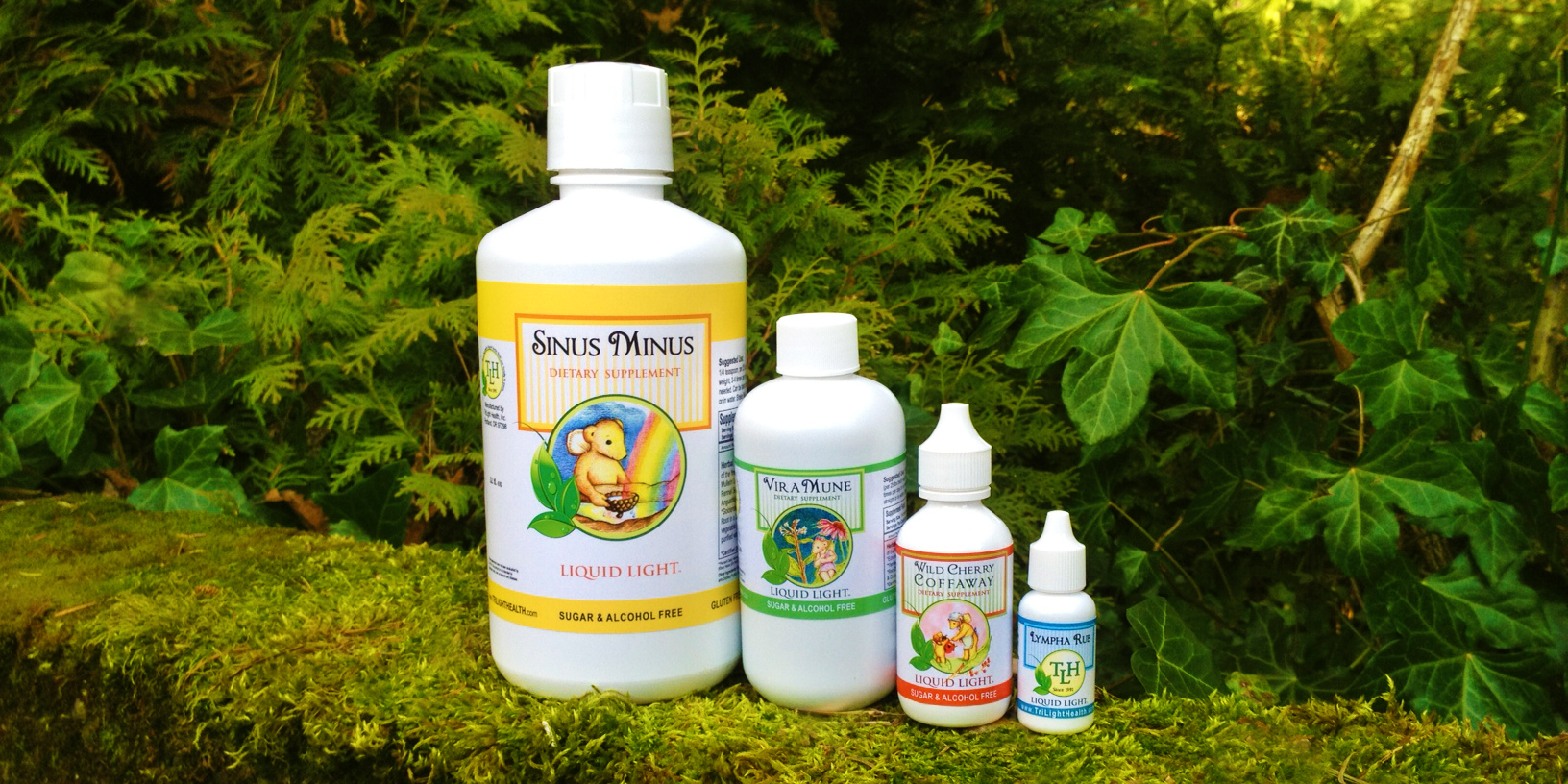
Here at TriLight Health, we strive to use the cleanest herbs grown in the most optimal conditions. You'll find an * next to certified organic herbs on our ingredient list. Any herbs we use that are not certified organic are either wildcrafted or at least unsprayed.
We know it can be hard to navigate all of the new terms and information when learning about herbs. We hope this article will help.
Frequently Asked Questions About Organic vs Wildcrafted Herbs
Wildcrafted compared to organic
What is the main difference between organic and wildcrafted herbs?
Organic herbs are cultivated on farms under strict guidelines that prohibit synthetic pesticides, herbicides, and GMOs. They must meet certification standards for soil health and sustainable farming practices to be certified organic. It can take farms years to meet the required organic standards for certification. Smaller farms often use organic practices without becoming certified. Wildcrafted (or wild-harvested) herbs grow naturally in their native habitats without human cultivation. They are harvested from the wild, often by ethical foragers.
How does sustainability factor into wildcrafted vs organic herbs?
Overharvesting can threaten plant populations, animals, and ecosystems. Goldenseal, for example, has been overharvested in the wild and is now suffering. Ethical wildcrafters follow “10% rules” (never taking more than a small percentage from a stand) and rotate sites.
Organic cultivation reduces pressure on wild plants and can be more sustainable in the long term for high-demand herbs. Reputable companies are shifting toward cultivated organic options as wild harvesting risks depletion.
Are wildcrafted herbs better than organic herbs?
It depends on your priorities. Many herbalists believe wildcrafted herbs offer higher potency and a richer profile of active compounds because the plants face natural stressors (drought, competition, varying soil), which prompt them to produce more protective phytochemicals. Organic herbs provide consistency, verified purity testing, and traceability. Standardized herbs are usually organic or cultivated. Many herbalists prefer to use a mix of both, often depending on the type of herb.
Are there certain herbs that herbalists usually prefer to wildcraft or cultivate?
Yes. Some species are difficult or impractical to cultivate at scale while maintaining quality, making ethical wildcrafting the superior choice. Others grow vigorously and consistently under organic farming conditions, where they can be harvested sustainably without pressuring wild populations.
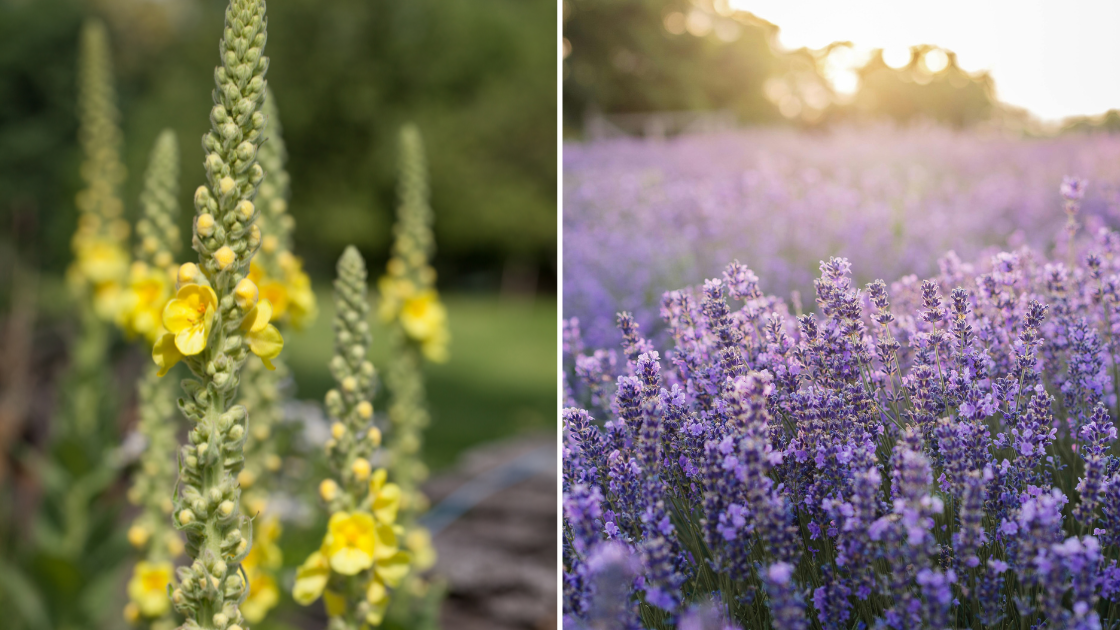
For example, lavender is easy to cultivate.
However, you're unlikely to find a field of wild lavender on your next hike. You'll rarely find wildcrafted lavender for this reason. Mullein, on the other hand, grows readily in places such as abandoned parking lots and along roadsides. While it can be cultivated, it thrives under very specific soil conditions. It helps improve soil health and is easy to find and wildcraft.
Here is what you're likely to find with some of the most popular herbs:
| Herb | Latin Name | Cultivated / Organic | Wildcrafted |
|---|---|---|---|
| Mullein | Verbascum thapsus | • | |
| Lavender | Lavandula angustifolia | • | |
| Echinacea | Echinacea purpurea | • | |
| Chamomile | Matricaria chamomilla | • | |
| Dandelion | Taraxacum officinale | • | • |
| St. John's Wort | Hypericum perforatum | • | |
| Nettle | Urtica dioica | • | • |
| Plantain | Plantago major | • | |
| Goldenseal | Hydrastis canadensis | • | |
| Elderberry | Sambucus nigra | • |
As you can see, some herbs are used fairly equally by herbalists. Location also plays a role in what grows naturally near an herbalist or what is easy to forage!
What about herbs that are neither organic nor wildcrafted?
These are cultivated herbs. Meaning they were grown on a farm by people, but the farm does not necessarily follow organic practices. Many herbs are naturally pest-resistant, so organic practices aren't necessary; they grow well on their own.
Can an herb be both organic and wildcrafted?
Typically no. Wildcrafted herbs are not cultivated and cannot be certified organic because they aren’t farmed.
Wildcrafted herbs
What are the benefits of wildcrafted herbs?
Wildcrafted herbs often contain higher concentrations of antioxidants, essential oils, and medicinal constituents due to their natural growth conditions. They tend to be more resilient and exhibit stronger properties for their traditional uses. They also support biodiversity and soil health when harvested properly.
Are wildcrafted herbs safe?
High-quality, responsibly wildcrafted herbs from reputable suppliers are generally very safe. However, they require careful sourcing. Avoid unregulated wild-harvested products that could come from contaminated areas.
Do wildcrafted herbs have more nutrients or medicinal potency than organic ones?
Many sources report that wildcrafted herbs are more potent because they grow under optimal, natural conditions. However, results vary by species, soil quality, harvest timing, and testing methods.
Organic herbs
What are the advantages of certified organic herbs?
Organic herbs offer batch-to-batch consistency, lower risk of contamination from polluted wild areas, and third-party verification that no prohibited chemicals were used. They support regenerative farming and are often easier to source at scale without risking wild plant populations.
Are organic herbs safer?
Not necessarily. Most wildcrafted herbs haven't been sprayed and are technically grown under "organic" conditions. The risk with wildcrafting is that you can't know for certain what has happened to the herb unless you have a camera on it 24/7. The other risk comes from misidentifying which herb to harvest and accidentally harvesting something dangerous.
Using wildcrafted or organic herbs in blends
What else can impact the quality of herbs?
Whether herbs are cultivated, organic, or wildcrafted, quality also depends on harvesting methods, drying temperature, storage, freshness, and third-party testing.
Which is better for herbal tinctures and liquid extracts?
Both are excellent. None is "better" or "worse." At TriLight Health, we prioritize certified organic herbs whenever possible for consistency and verified purity, while using responsibly sourced wildcrafted herbs when they offer superior quality for specific formulas. Our 3-stage extraction process maximizes benefits regardless of the source, with the goal of the cleanest, most effective alcohol-free liquid extracts for families.
Learn more
Herb Foraging 101
Why dandelion is so great it gets its own day!
Tips for Preserving Herbs