Herb of the Month: Myrrh
Posted by TriLight Health on Dec 13th 2025
Gold, frankincense, and myrrh. We are all familiar with the names of these three items this time of year. You know what gold is. You may even be aware of frankincese. But what is myrrh? This element of the Christmas story often has people scratching their heads.
Myrrh is actually similar to frankincense. Both are resins from trees. Frankincense and myrrh were both extremely valuable in the ancient world. We believe they're both still extremely valuable today. Myrrh in herbalism has a rich history that we'll take a brief look at today. 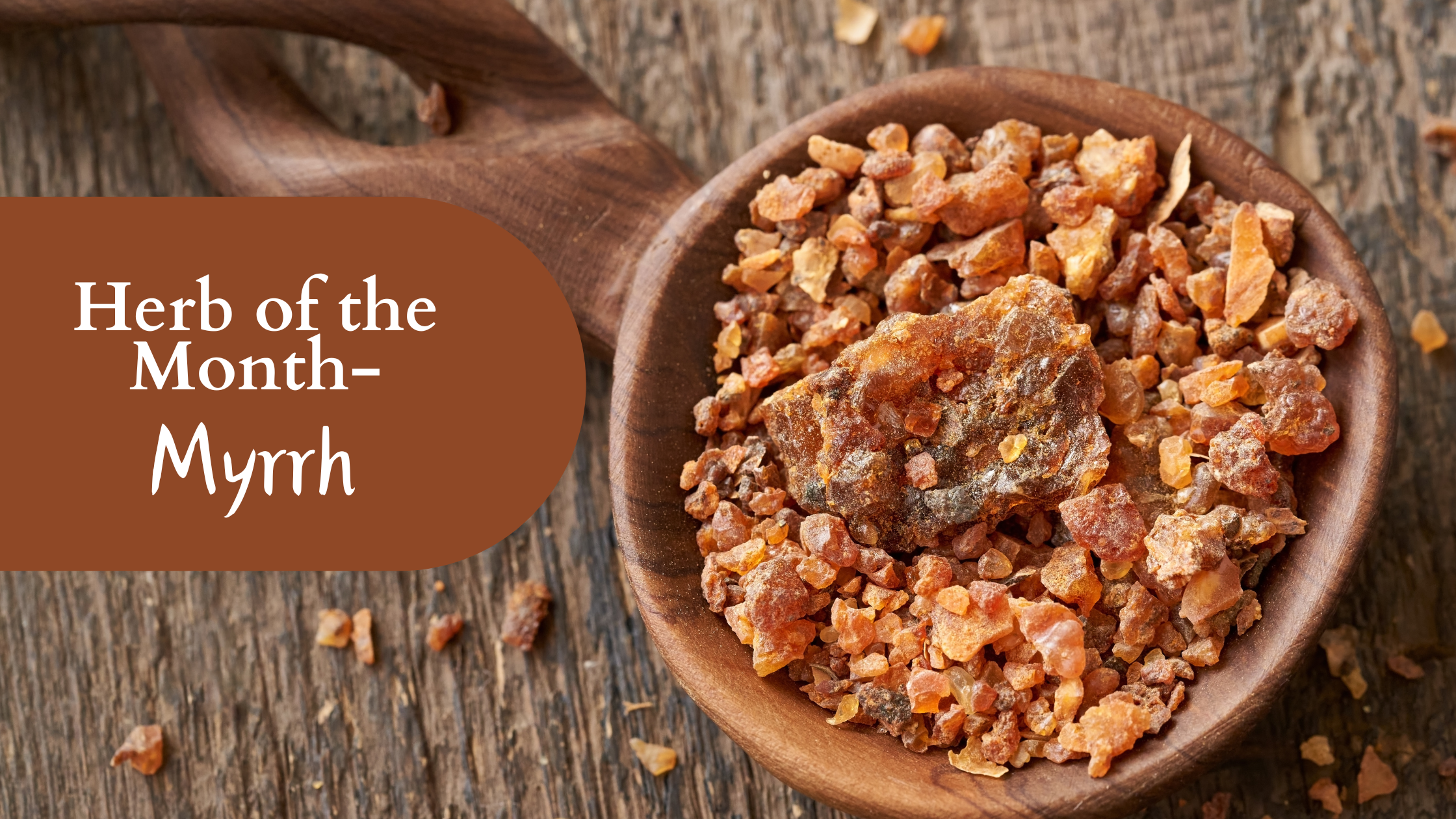
History of Myrrh
Historical use of myrrh has been documented for centuries. In Biblical history, myrrh is used as an anointing oil for people, altars, the temple, and more. Biblical texts also mention myrrh for purification, and this practice is also seen in other cultures. It is said to symbolize Jesus' death as it was widely used in burial practices. Nicodemus brings it to anoint the body of Jesus after his death. You'll also find it mentioned as a healing balm for wounds in several places in the Bible.
Throughout ancient cultures, myrrh was used as a perfume and, at times, as an insect repellent. In Egypt, where myrrh trees grow, it was used for embalming and religious ceremonies. It is known as one of the "seven sacred oils" and was widely used in trade for goods from around the world. Eastern medicine has prized myrrh for its wound-healing properties for over 1,000 years.
Traditional Herbal Uses of Myrrh
Commiphora myrrha
- Antimicrobial
- Cold and flu
- Inflammation
- Immune support
- Mouthwash
- Pain
- Skincare
- Wounds
- And more
Note- Avoid during pregnancy. It should be used only for short-term periods and in small doses. May cause digestive upset in some people. Contraindicated alongside most blood-thinning products and some other medications. Always check with a doctor first.
How do herbalists use myrrh?
This herb has a powerful and unique flavor! Fortunately, a little bit goes a long way, so small amounts can be used in blends. Today, many herbalists enjoy blending myrrh essential oil into holiday diffusers, combining it with frankincense, cinnamon, or orange for a warm, evocative scent that recalls the Nativity story. The resin's deep, balsamic aroma serves as a fixative in natural perfumes, grounding brighter notes with its earthy richness.
How Myrrh resin is turned into a usable product for herbalists- The resin is carefully harvested from the trees. Skilled tappers make deliberate incisions in the bark, allowing the tree's pale, gummy sap to ooze out and harden into translucent "tears" upon exposure to air.If you've seen sap on a tree, that's similar to what the myrrh resin looks like. This is then ground into a powder for use by herbalists. It can be used in tinctures, teas, capsules, and more.
Myrrh incense- Myrrh incense is another use of this resin. The resin itself is burned, often along with frankincense. There are also premade incense sticks and candles with the resin ground or an essential oil added. This incense is believed to have spiritual significance.
Myrrh essential oil- This might be the most widely known use of myrrh. The traditional use of myrrh essential oil is for highly diluted topical use. It is also sometimes used at a high dilution for internal use, as in Lympha Rub. Internal use of any essential oils, especially stronger ones like myrrh, should only be done with products prepared by experts. This is also a popular oil to diffuse, especially around the holiday season. Essential oil blends featuring frankincense and myrrh are often available in December.
Religious and spiritual uses of myrrh- The essential oil, incense, and infused oils are used in several religious practices. These range from anointing oil for the newly baptised to private at-home meditation practices.
How we use it-
We use it in Scout Out, Lympha Rub, Soothing Salve, and ViraMune, our December Specials of the Month.
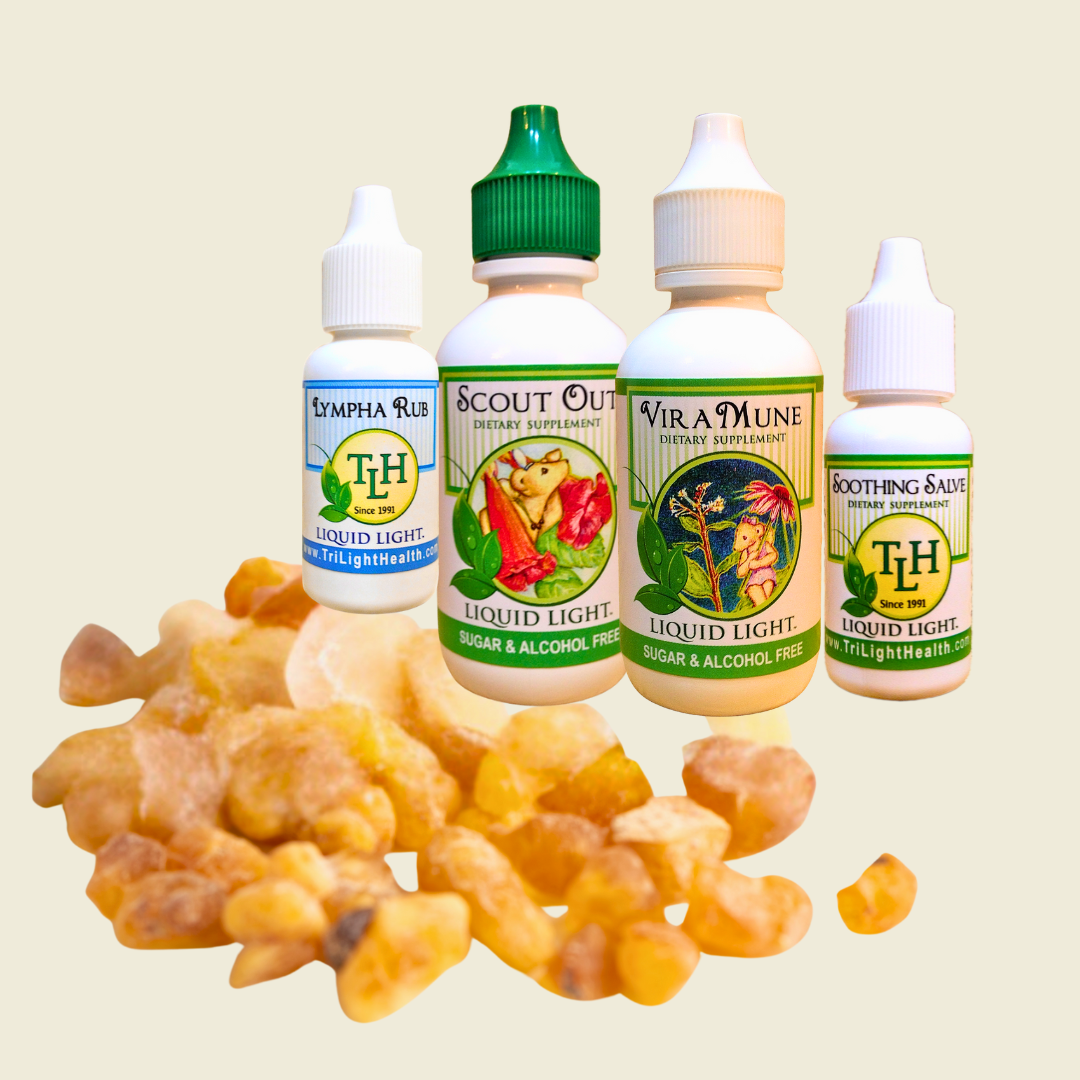
- Lympha Rub: Our popular essential oil blend in organic olive oil base, featuring myrrh alongside lemon, cajeput, lavender, clove, and chamomile. A go-to topical for over 30 years!
- "We've been using LymphaRub for at least 10 years. I send it with the kids to college and keep it in my travel bag. sometimes make my own tinctures and salves, but this is one of the few items I insist on buying from Trilight because it consistently WORKS." Lynda
- "We've been using LymphaRub for at least 10 years. I send it with the kids to college and keep it in my travel bag. sometimes make my own tinctures and salves, but this is one of the few items I insist on buying from Trilight because it consistently WORKS." Lynda
- Scout Out: This traditional Cherokee-inspired formula includes myrrh with echinacea, goldenseal, St. John's wort, mullein, and more in a glycerine base—great for seasonal needs.
- "This is my very favorite product that Trilight makes. I highly recommend." Clarissa
- Soothing Salve: Full of essential oils and herbs traditionally used topically for wounds, bites, rashes, and similar ailments.
- "This is our go to salve for everything that happens. When we go for a long hike, it's all we take for first aid other than bandages. It's such an amazing product and I hate to ever be without it." Erin
- ViraMune: Our immune system booster customers love it at the beginning of an illness. It's full of herbs traditionally used to purify the blood, support swollen lymph nodes, and boost immune function.
- "I always use this when traveling overseas with my family. It really works!!!I have been using Trilight Health products for over 7 years and I’m very grateful for such great products that work!!!" Doreen
Note: Myrrh is also suggested as a complementary herb for LivCare (liver support).
All are 10% off for December 2025.
Happy holidays!
No coupon code needed, add them to your cart.
Facts About Myrrh
- The name "myrrh" derives from an ancient Semitic word meaning "bitter," reflecting its sharp taste.
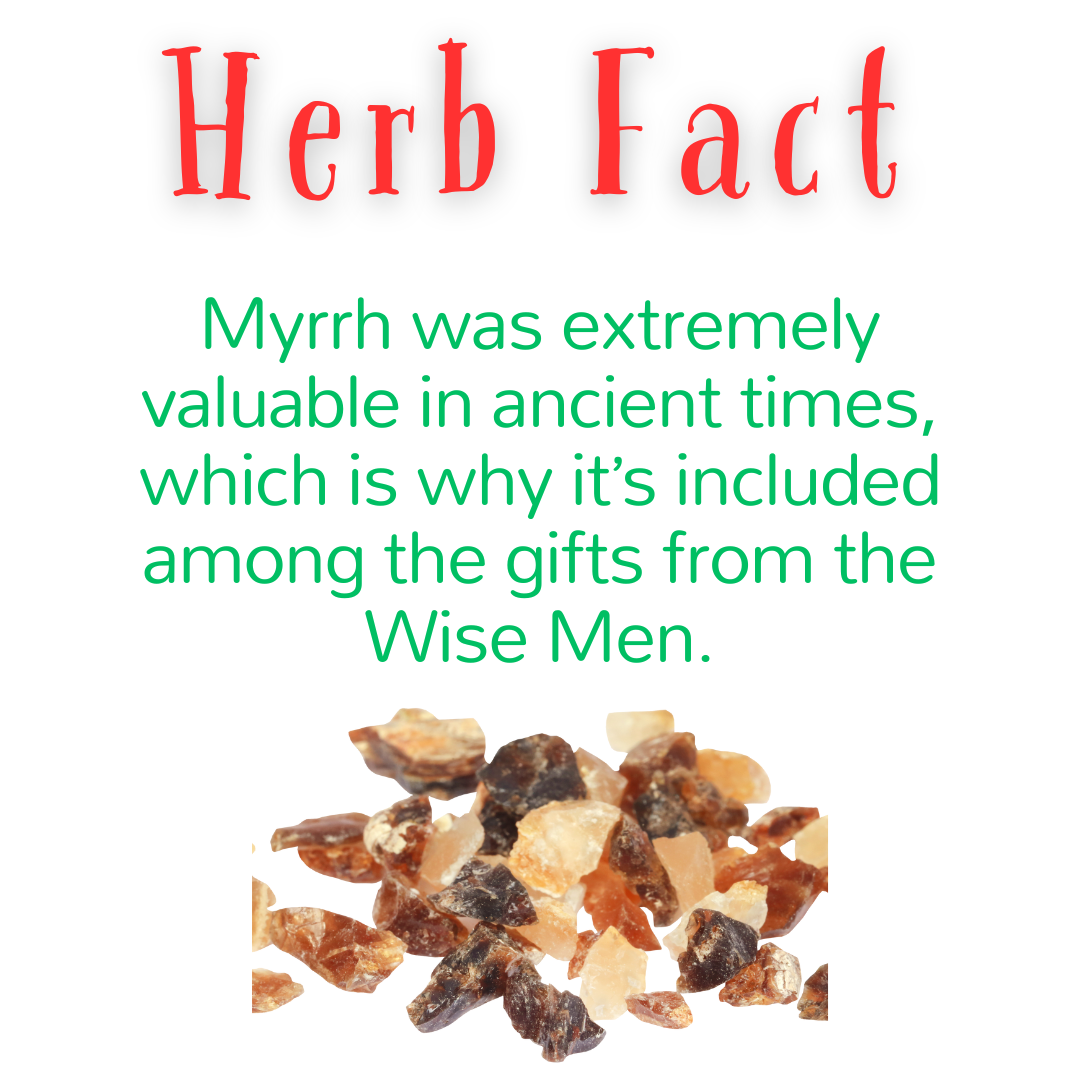
- At times in history, high-quality myrrh was worth more than its weight in gold due to scarcity and demand.
- It's often called the "tear of the tree" for its droplet shape, a poetic reminder of its natural origins.
- Pharaohs and nobles were often mummified with resins infused with myrrh, and it featured prominently in temple rituals and perfumes dedicated to the gods.
Learn More-
Soothing Salve- A Must-Have for Spring & Summer
Parasite Cleansing Made Easy
Herb of the Month: Pau d'Arco