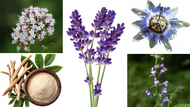
The Top 5 Calming Herbs for Stress Relief
Posted by TriLight Health on Apr 15th 2026
We’ve all heard it time and time again. Today’s world is said to be more stressful than ever. There is a constant influx of information, ever-growing to-do lists, and constantly rising grocery and gas prices. Fortunately, it's easy to find herbs for stress relief. There are actually over two dozen herbs that have properties that may help with stress relief. Today we’re going to learn about five.
The Top 5 Calming Herbs for Stress Relief
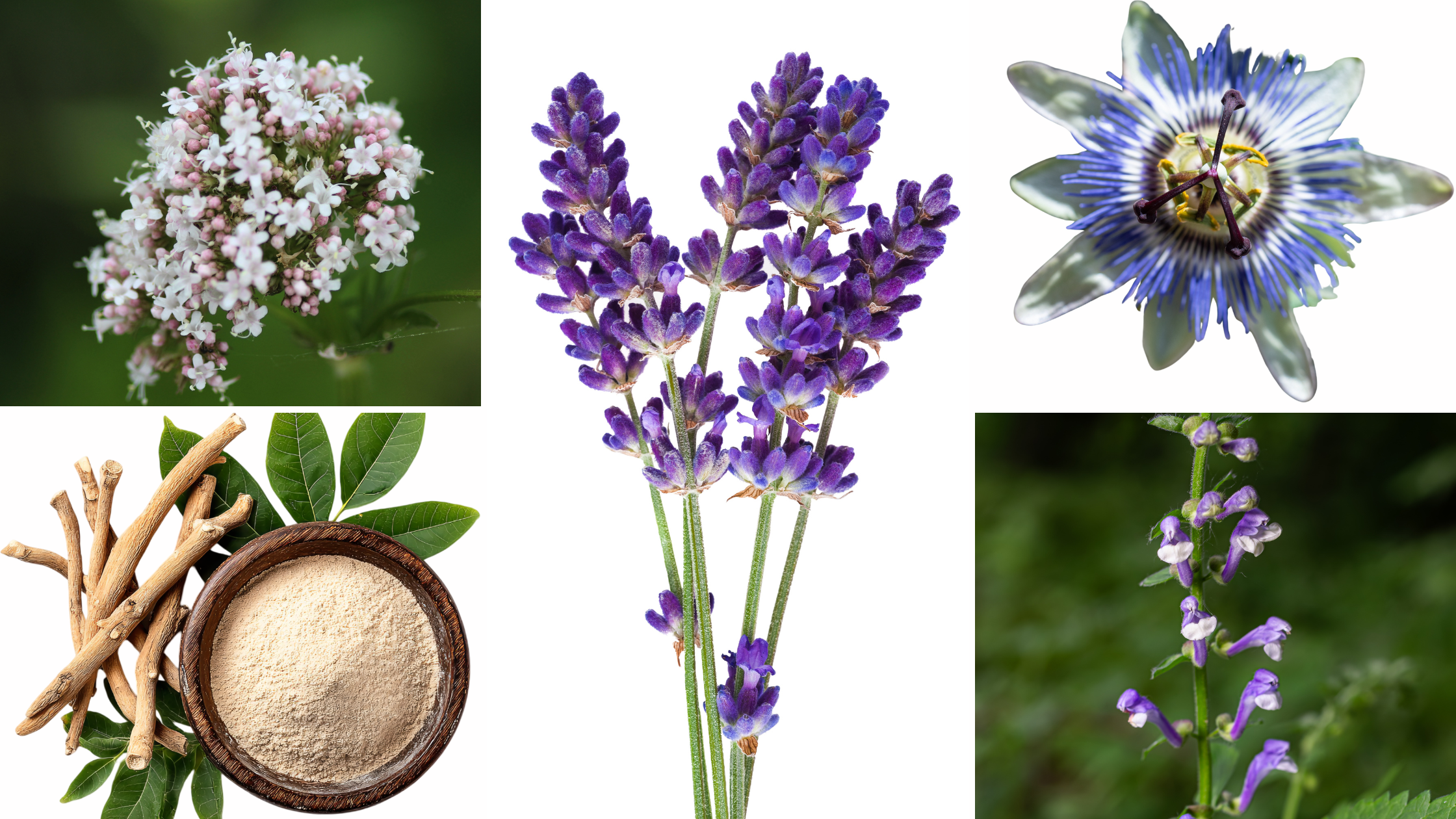
Lavender
Lavender is one of the most widely used herbs for stress relief and relaxation. Along with chamomile, it’s a staple in many herbal routines in the United States. Lavender is iconic for its calming aroma, and the color is often associated with relaxation in spas and bath products.
There are several varieties of lavender, each with a slightly different scent and appearance, ranging from pale blue to deep purple.
This versatile herb can be used in many ways. It’s commonly added to teas, tinctures, lotions, and essential oil preparations. Lavender is especially popular in aromatherapy, where its scent may help promote a calm, relaxed environment. A classic use is in sleep pillows and eye coverings.
Some people also enjoy visiting lavender farms, where walking through the fields offers a full sensory experience (keep an eye out for bees!). Many farms even offer demonstrations on distilling essential oils and hydrosols.
Passionflower
Passionflower is one of the plants people are most surprised to find out is used as an herb. Yes, these beautiful flowers have relaxing and stress-relieving properties! Once again, we find a bit of a clue in the flower's appearance. They have that same blue/purple hue that lavender can have.
This is an herb that is most commonly used internally. It doesn’t smell very pleasant, so you’re unlikely ever to find it in aromatherapy or to want to wander a field full of it. Passionflower can be made into topical preparations for certain conditions, but it's most often used in teas and tinctures.
It has gentler properties than some other stress-relief herbs. Because of this, it’s popular for use with kids, the elderly, and those who are very sensitive. You’ll often find it added to blends to enhance the other herbs.
Passionflower is best known for supporting worry and overthinking. It may help gently quiet the mind and relax the body, leading to more restful sleep. Herbalists also love it as a traditional support for exhaustion.
Valerian
This is another herb that’s often among the top best sellers in the US, particularly for sleep support.
It has much stronger effects than passion flower or lavender. Typically, it is not used on its own, though some herbalists do. Most often, it is used internally, especially in teas targeted for sleep and evening relaxation.
Valerian is commonly used to promote relaxation and support a healthy sleep routine, especially during times of heightened stress. You’ll find it added to many sleep blends and is a staple in many people's evening wind-down routines. Because it has stronger properties than some other herbs, it's often used for more intense stress-related concerns.
While many people find Valerian deeply calming, a small percentage report the opposite effect, feeling more alert or stimulated. Researchers are still exploring why this happens, and it may relate to individual differences in how the body responds to the herb.
Ashwagandha
This is an herb that's rapidly gaining popularity. It's even found its way into some large-scale products sold in box stores! Originally used in Ayurvedic Medicine, it has recently found its way into Western herbalism.
So why is ashwagandha so popular? First of all, it's one of the more effective adaptogenic herbs. Adaptogens help the body to, as the name implies, adapt. In our stressful world, adaptogens are popular for helping the body adapt to rapid change and uncertainty. They also have properties that may help nourish the adrenals, with ashwagandha being at the top of this list!
Second, it is relatively easy to take, and a little bit goes a long way. In some herbal preparations, just a little pinch is used. It's a longer-lasting herb than some others, so it can work a bit more deeply.
Lastly, there is an increasing amount of research happening on it. As more scientific backing shows its impact, it will naturally become more popular. Ashwagandha is being researched for its uses in adrenal support, mental health, nervous system support, and even thyroid support.
Skullcap
This is another plant that people are often surprised is used as an herb. Named skullcap because of its appearance, it is often used alongside Valerian, as they have similar properties.
While it may look similar to lavender, it does not have the same pleasant smell! We don’t recommend walking through a skullcap field or adding any to potpourri. However, herbalists do use it topically from time to time. Most often, you’ll find it added to tinctures, teas, and even placed in capsules.
Skullcap is a stress-relief herb best known for its potential to ease irritability and tension. Compared to faster-acting herbs, skullcap is often described as slower and more supportive over time. You’ll even find it used in tonic preparations.
This herb is traditionally used to ease tension, support relaxation, and promote a more settled nervous system. Some herbalists consider it especially helpful when stress shows up as irritability or restlessness.
How we use these stress relief herbs at TriLight Health:
Ashwagandha is in ADHD, our Ayurvedic blend.
Lavender is in Lympha Rub & ASMA. It can be used for so much more than stress support! Lympha Rub is also in the Earache Relief Wellness Kit & Cold & Flu Daytime Kit.
Passionflower is in Snooze EZ & Peace Treaty. These are two of our stress and sleep support blends.
Skullcap is in Contract Ease, Snooze EZ, Peace Treaty, Hear No Evil, and ALRG. As you can see, it's also an herb used for much more than stress! Hear No Evil is also in the Earache Relief Wellness Kit and ALRG is in our Allergy Support Wellness Kit.
Valerian is in Snooze EZ, Peace Treaty, and Contract Ease. We’ve combined it with other popular herbs for stress relief, and it is a favorite for postpartum support in Contract Ease as well. Contract Ease is also in our Pregnancy Essentials Kit.
Notes-
Never try anything new without consulting your healthcare provider, especially if you are pregnant or nursing. Below are cautions regarding the specific herbs listed above:
- Ashwagandha may be contraindicated in certain autoimmune diseases. Those with sensitivities or allergies to nightshade plants may not tolerate it.
- As mentioned above, an extremely small portion of people find Valerian stimulating. An even smaller portion finds it mildly hallucinogenic. Again, this represents a minuscule number of people, so don’t let it scare you away from trying it. Consult with your holistic healthcare provider before trying it, as they can provide insight into whether you’re likely to be in this group. We’ve only heard of it a handful of times. Circumstantial evidence shows it may be related to low thyroid function, but more in-depth research is needed to confirm this.
- Valerian should typically only be used short-term.