Understanding Herbal Preparations- Tea
Posted by TriLight Health on Oct 31st 2019
Herbal tea is perhaps the most common way herbs are consumed in the United States. Most likely, you've got at least a few types of herbal tea in your kitchen cupboard right now. Herbalists most commonly brew herbs for tea as an infusion or decoction, both of which we've looked at in previous blog posts. Some herbalists consider herbal tea a separate type of herbal preparation, while others don't. Today, we are going to take a look at herbal tea and explore how to brew the perfect cup.
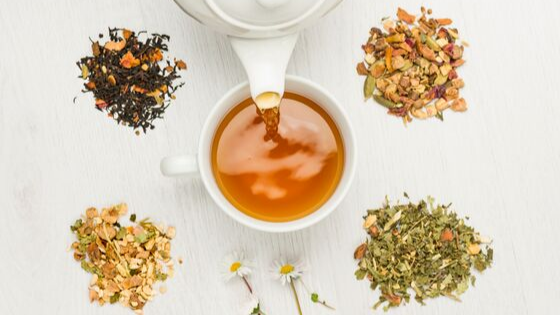
How is herbal tea different from an infusion or decoction?
Many types of herbal teas are brewed similarly to an infusion. The main difference between an infusion and brewing tea is the length of the brew. Herbal teas are generally brewed for only a few minutes, whereas an infusion steeps for hours. The medicinal benefits of an herbal tea will be much less than those of an infusion or decoction. In some herbs, the primary herb actions aren't even activated during short brewing times.
Another difference is that herbal tea is often made from tea bags There are loose-leaf herbal teas, but most come in bags Herbalists and tea enthusiasts prefer loose-leaf herbs for a variety of reasons, as we discussed in the infusion post Those who enjoy the convenience of tea bags but want to use loose herbs can get reusable cloth bags These can be filled on Sunday afternoon, washed, and reused to have enough baggies to last all week Make sure to compost your spent herbs whenever possible (and the cloth bags can be composted as well) Herbal tea can also be brewed in a French press, tea infuser, or tea strainer.
How to make an herbal tea
There are many ways to prepare a cup of herbal tea. Some herbs may require different brew times or water temperatures, so be sure to check before brewing.
The instructions below are for a traditional herbal tea brew from bagged tea.
First, boil your water.
Note- You can boil in a kettle, pot, electric skillet, etc. Usually, 1-2 cups of water are used for one teabag.
Next, place a tea bag into a mug or teapot
Then, pour water over the tea and cover the mug or teapot.
Note: Covering is a crucial step that many people skip. Most herbs contain volatile oils that will escape during steeping. Make sure to cover for the best possible brew.
Last, Steep 5-10 minutes (depending on the herbs), strain, sweeten, and enjoy.
Note- Local raw honey is a popular addition to sweeten tea.
Tea can then be cooled and drank iced, frozen into ice cube trays, or enjoyed hot!
Brewing loose-leaf herbal tea follows a similar process, making sure to strain properly before enjoying.