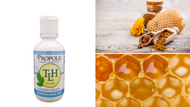
All About Propolis
Posted by TriLight Health on Jul 6th 2026
Many people are familiar with the benefits of raw, local honey. However, bees produce another substance called propolis. It is the resin gathered from plants such as poplars, pine, and birches. The bees chew this resin and combine it with wax to produce a sticky substance. They use this to repair and build the hive.
Propolis' function within the hive is remarkable in and of itself. Herbalists and holistic healers have found it has a wide variety of medicinal uses as well. Propolis can be found on its own as an extract, such as we sell. It is also sometimes included in some honey products (propolis will be listed as an ingredient).
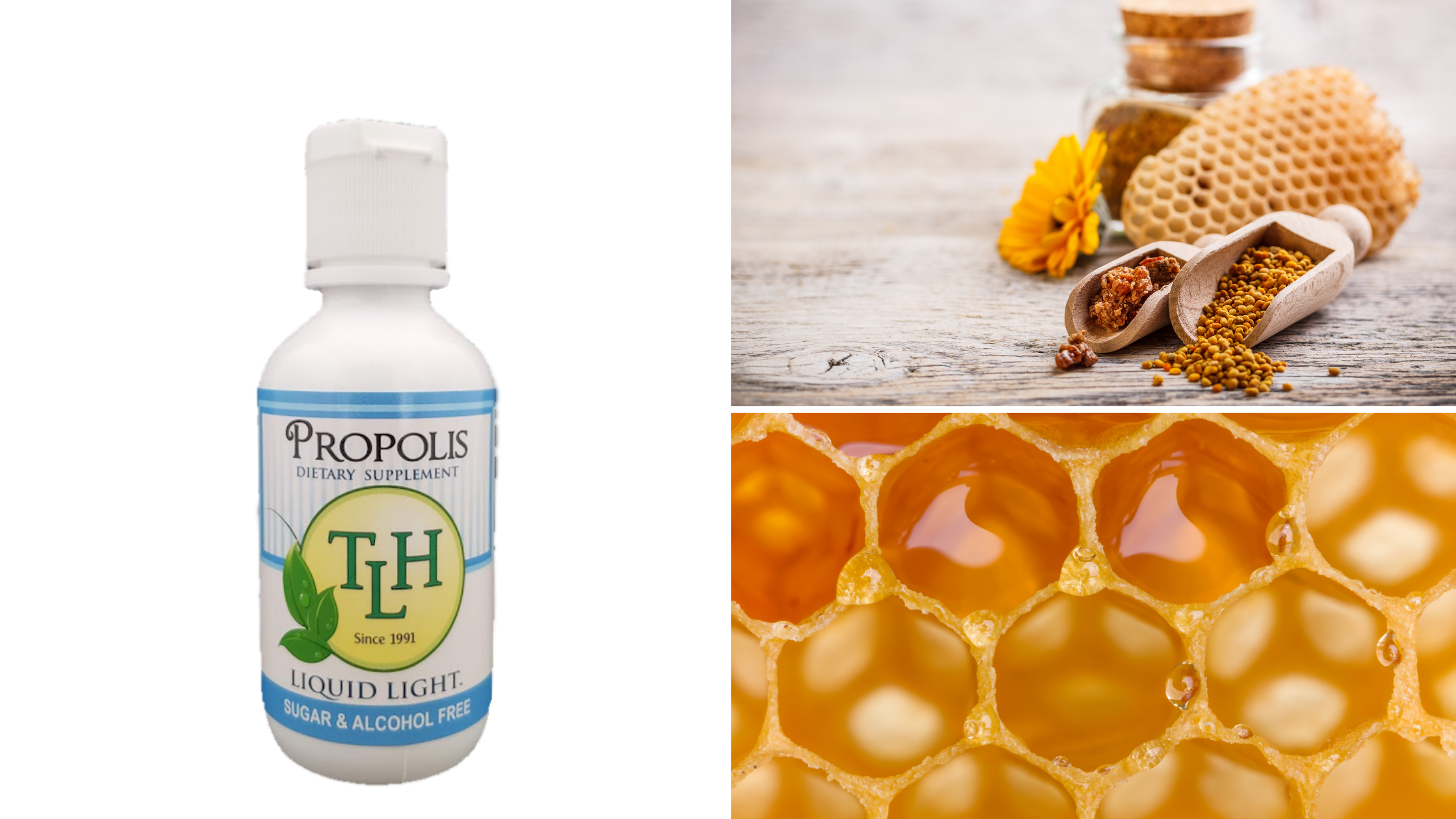
Traditional Uses of Propolis
- Acne
- Allergies
- Asthma
- Bleeding gums
- Cold and flu
- Hair loss
- Immune support
- Infections
- Inflammation
- Rashes and eczema
- Sore throats
- Tooth pain
- Ulcers
- Warts
- Much more!
It contains antifungal, anti-inflammatory, antiseptic, and antibiotic properties. Propolis can be used topically or taken internally. Some studies are even being done on the impact of propolis on cancer treatment.
Nutrients in Propolis
Propolis is rich in so many nutrients!
| Nutrient Category | Found in Propolis |
|---|---|
| Vitamins | Vitamin C, Vitamin E, Provitamin A, B-Complex Vitamins |
| Minerals & Trace Elements | Zinc, Copper, and other trace minerals |
| Other Beneficial Compounds | Flavonoids, Bioflavonoids, Amino Acids, Fats |
Propolis contains over 100 natural constituents. Composition can vary slightly by harvest, as it reflects the specific tree resins bees collect.
Difference Between Propolis & Honey
These are two vastly different substances; bees are so amazing to create propolis, honey, and wax! Here are the similarities and differences between propolis and honey:
| Texture | Taste | Nutrients | Uses in Herbalism | |
|---|---|---|---|---|
| Propolis | Sticky, resinous, and waxy in its raw form; TriLight's liquid extract is smooth and easy to dispense by the drop | Sharp, bitter, slightly woodsy; ours is sweet since it's mixed with glycerine | Flavonoids, bioflavonoids, Vitamin C, Vitamin E, provitamin A, B-complex vitamins, amino acids, and trace minerals like zinc and copper | Traditionally used as an internal immune supporter and applied topically to soothe minor skin irritation; extremely versatile in its uses |
| Honey | Thick and pourable when fresh; raw honey naturally crystallizes into a soft, spreadable texture over time | Sweet and floral, with flavor that shifts depending on the blossoms the bees visited | Primarily natural sugars (fructose and glucose), plus small amounts of enzymes, antioxidants, and trace vitamins and minerals depending on floral source | Often used as a natural sweetener and carrier for herbal syrups and lozenges; a folk favorite for immune and seasonal support as well as sore throat and cough |
Propolis and honey are both hive-made, but they serve very different roles: propolis is the bees' resin-based "defense system" for the hive, while honey is their food source. That's part of why propolis carries a much sharper flavor and a more concentrated nutrient profile by comparison.
Customer feedback for propolis-
"We love this product. For me personally, it's one of my lifesavers because I can't take many herbal remedies due to allergies, so this is something helpful I can take." ~Dannielle
We sell propolis starting at $16.95. We also have a different formula on clearance for 30% off

Who should not use Propolis?
Here are some cautions concerning propolis:
- Avoid if you have an allergy to bee stings or any other substances made by bees
- Use caution with asthma
- Those with bleeding disorders should use caution
- Do not use with children under 2 years old
- Avoid if allergic to conifer trees, poplar trees, Peru balsam, or salicylates (aspirin)
- Avoid the eye area when using propolis. If it comes into contact with the eyes, it will cause irritation.
- Prolonged and repeated use of propolis may increase people’s propensity for developing allergies.
Always talk to your healthcare provider before trying anything new, especially if you have any medical conditions or are pregnant or breastfeeding.
Learn More:
FAQ- Should you only take immune formulas when you are sick?
FAQ- Immune Building
Back-to-School Immune Building and Support
TriLight Health employees are not licensed practitioners and cannot prescribe which products you should use. Our comments are educational. If you are pregnant or breast-feeding, please see our pregnancy safe section. As with all our formulas, especially if you are pregnant or breast-feeding, please consult your health care practitioner before using products with any other medications. *Disclaimer: These statements have not been evaluated by the FDA. These products are not intended to diagnose, treat, cure or prevent any disease.