Doctrine of Signatures: How Plants Reveal Their Healing Uses
Posted by TriLight Health on Jul 23rd 2026
As you've learned about herbs, you may have heard of a concept called "the Doctrine of Signatures." This phrase in and of itself can seem a bit confusing. Signatures? As in, what I sign my name with? Don't let the phrase intimidate you- this is a pretty simple concept once you learn it.
What is the doctrine of signatures in herbalism?
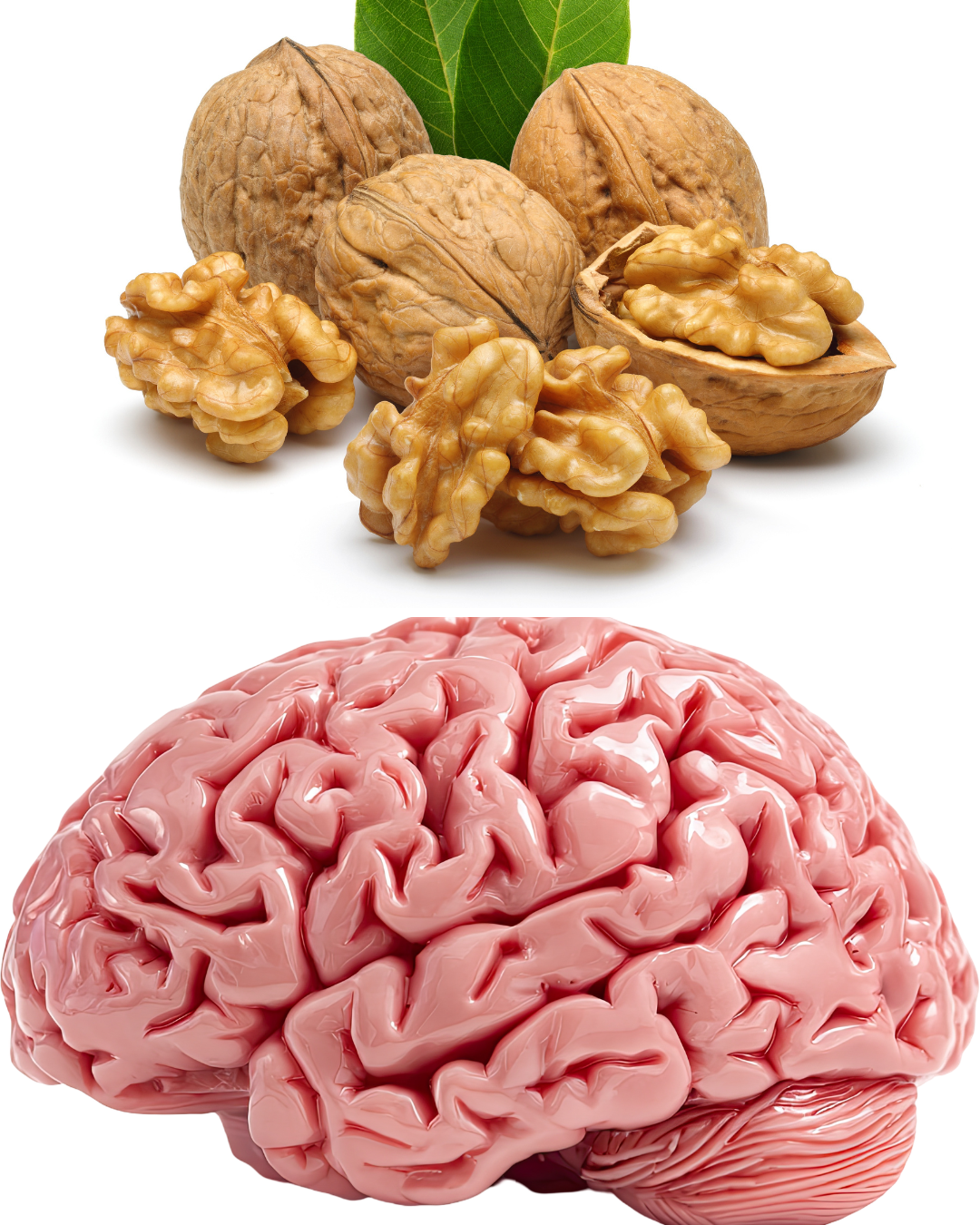
Have you ever noticed that a walnut looks like a brain? Did you know walnuts are good for the brain? What about the fact that a cross-section of a carrot resembles the eye? Carrots are widely known to be one of the best foods for eye health. Wild, huh?! This is known as the Doctrine of Signatures. It is the belief that plants often resemble the body part or system that they support.
This is a fascinating concept. It is believed this is how many people began using plants and herbs before we had the world at our fingertips.
The use of this concept has been documented back to the 1st century BC, but it's likely existed much longer. Paracelsus was a physician who wrote in the 16th century, “Nature marks each growth…according to its curative benefit” in his research on this concept.
Herbalists Nicholas Culpeper and William Cole helped to expand this fascinating work as herbalists and naturalists observed that certain plants resembled certain body
parts. The understanding of this concept has, of course, grown as our scientific understanding has grown. The Doctrine of Signatures is not applied only based on the look of a plant but also on its scent, texture, and color as well.
Examples of the Doctrine of Signatures
- Avocado- Resembles the human womb and has been shown to support the womb and cervix. Plus, an avocado takes 9 months to ripen!
- Carrots- The cross-section of a carrot resembles the human eye and they are one of the best plants for eye health.
- Citrus- Resembles the mammary glands and helps with lymphatic flow in the breasts.
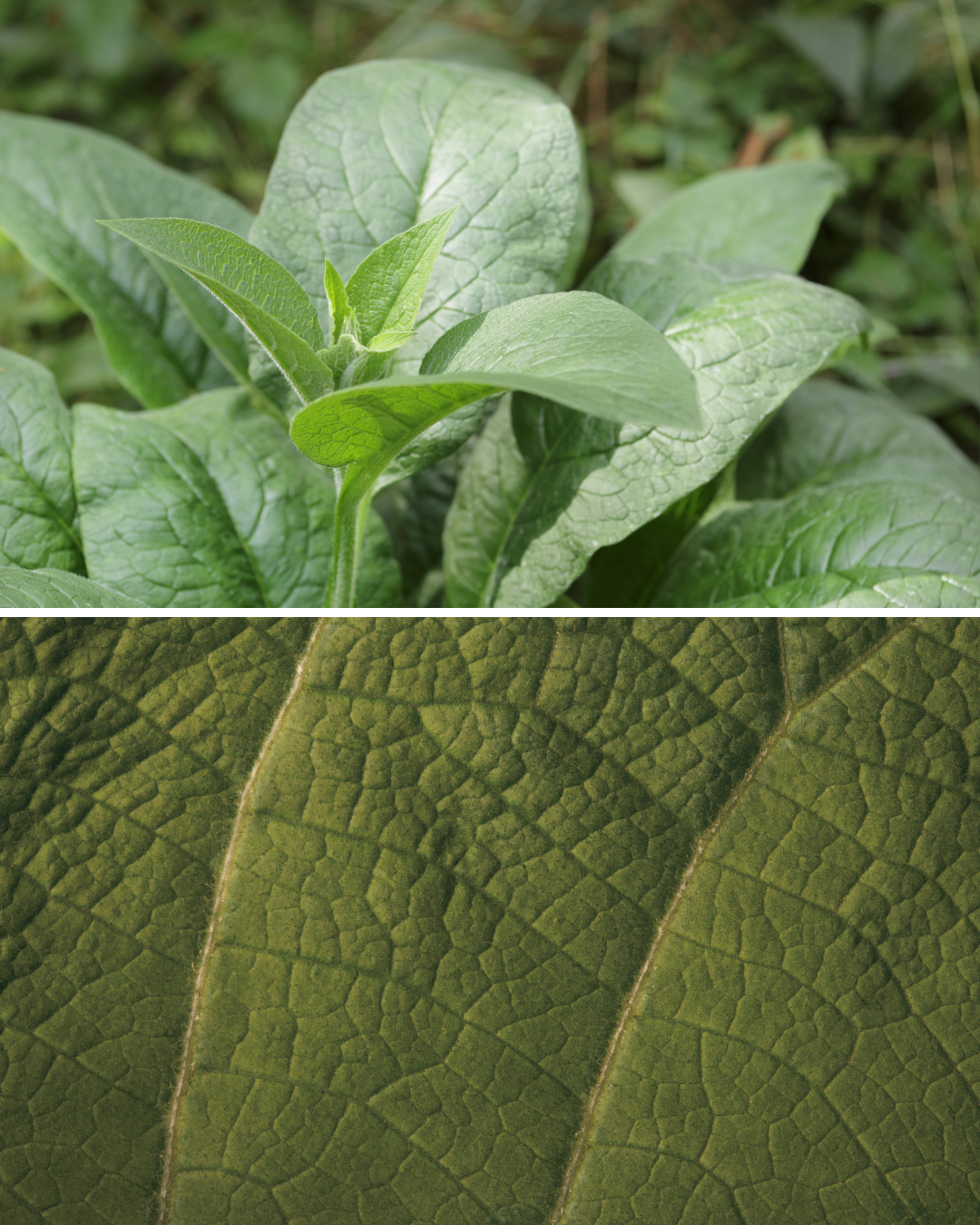
- Comfrey- Leaves resemble the cells of human skin, and it is one of the most commonly used topical herbs for skin ailments.
- Dandelion- Commonly used as herbal jaundice support and liver support, with the yellow color reminding us of the skin in many of these conditions.
- Kidney beans- Shaped exactly like a human kidney and traditionally known to support kidney health.
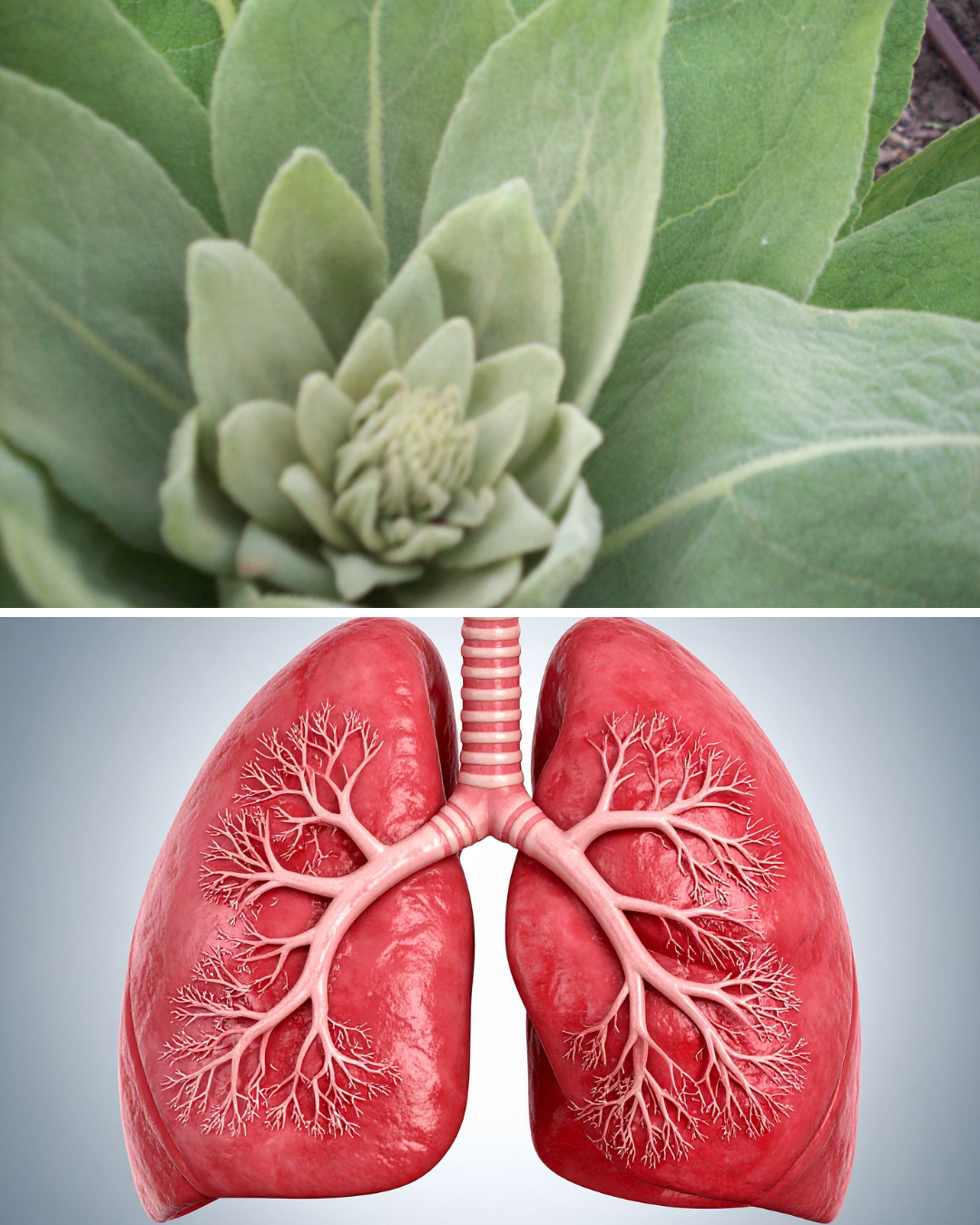
- Mullein- Covered in hairs resembling the cilia in the lungs and used in many herbal cough and lung support remedies.
- Nettle- The barbs on the end look like needles. The plant is traditionally used to help with ailments that have a stinging-type sensation.
- St. John's Wort- The bright yellow color reminds us of the sun and is a traditional herb for seasonal depression and other depression conditions. The extract is red, and herbalists use it for blood support.
- Tomato- Has four chambers like the human heart; many are red. Studies have shown tomatoes are beneficial for cardiac health.
There are many more examples of this in nature. We encourage you to keep your eyes out for the clues herbs may be giving you!
FAQs
Q- Are there scientific studies supporting the Doctrine of Signatures?
A- Yes! Scientific research has shown all of the above examples to be true. This ancient wisdom used for centuries before we had scientific testing has now been shown to be accurate.
Q- How does the doctrine of signatures influence modern herbal medicine companies?
 A- Most modern herbal remedy companies use the Doctrine of Signatures primarily as a point for education. As mentioned above, we already have the historical uses for these herbs that have been backed by modern science. Herbalists use this combination of historical use and scientific background to create their herbal tinctures.
The Doctrine of Signatures also provides herbalists with visual reminders for quick mental reference when selecting herbs. It can be quite helpful to associate the look of an herb with its potential uses as a way to narrow down the proper herb for a formula or individual client.
Q- How can I learn more about the Doctrine of Signatures?
A- Learning about plants alongside human biology & anatomy will be your best teacher. Make your own observations and see what you can notice. It is also covered in many herbalism books, podcasts, and YouTube videos.
Learn more-
Herb of the Day: Nettle
Herb of the Day: Mullein
Identifying Common Summer Herbs