Herb of the Month: Echinacea
Posted by TriLight Health on Aug 11th 2026
Behind peppermint and chamomile, echinacea may be the most widely used herb. It is found in a variety of tea blends, on big-box store shelves, and even in hospital cafes. This herb has two main varieties, Echinacea angustifolia & Echinacea purpurea. There has long been debate between herbalists about which variety is more potent or has the strongest medicinal benefit. Here at TriLight, we use them about equally in our formulas. The entire plant can be used, with different benefits coming from each part. You'll frequently find echinacea added to a preparation focused on immune health, and its traditional uses go far beyond the immune system.
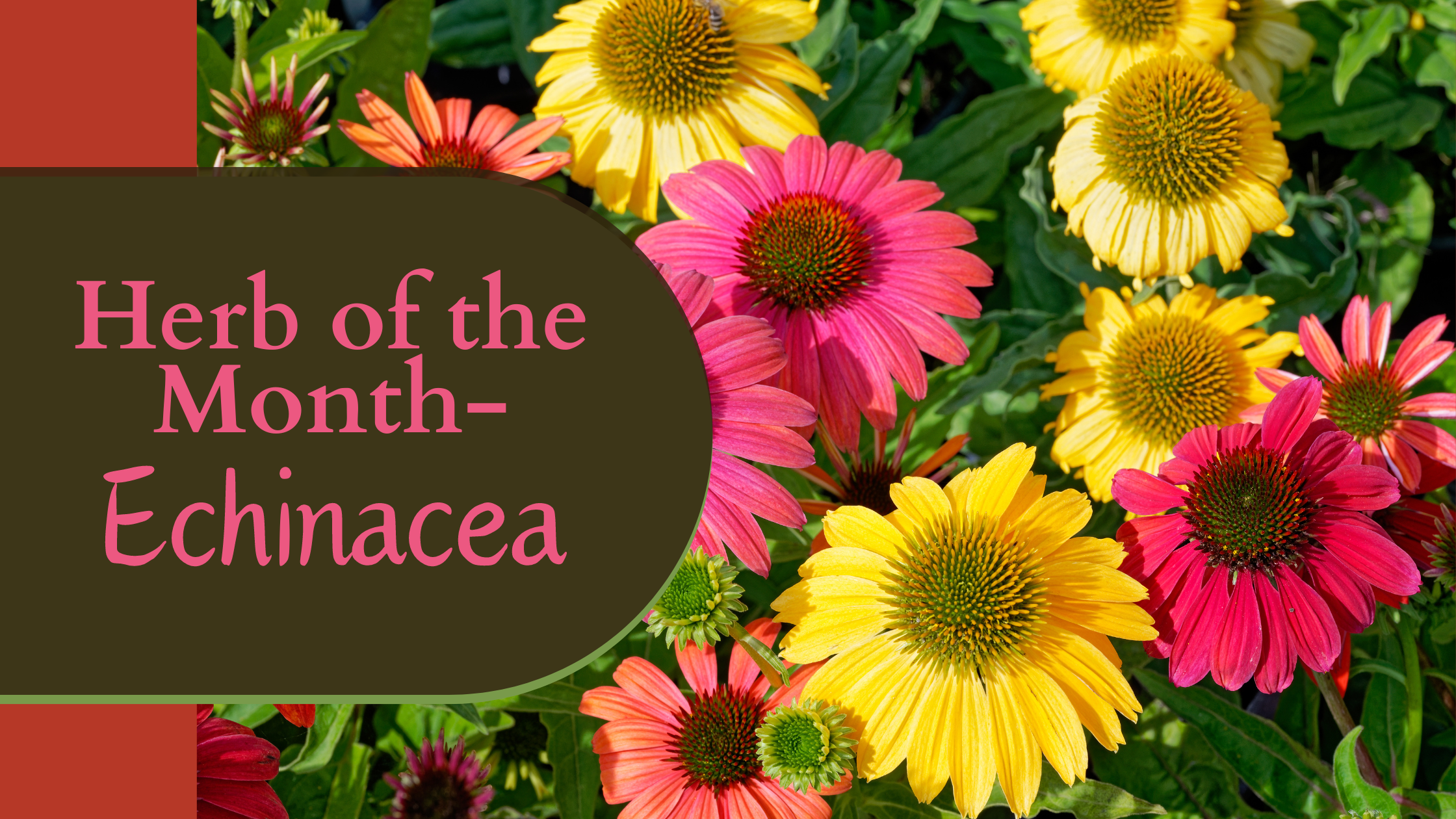
Is Echinacea the Same as Coneflower?
Yes! Coneflower is simply the common name for echinacea, named for the plant's distinct cone-shaped center and daisy-like purple petals. You'll often spot it growing wild in prairies and home gardens, which is part of why it's such a familiar, trusted herb in traditional wellness routines.
Traditional Herbal Uses of Echinacea
Echinacea supp.
- Cold and Flu
- Building and supporting the immune system
- Endocrine support
- Infections
- Inflammation
- Liver support
- Lymph cleansing and support
- Respiratory concerns
- Wound Healing
- And more
Research is even being conducted on echinacea and cancer support.
Note- Individuals with ragweed allergies/ allergies to plants in the Asteraceae family may not tolerate echinacea.
Echinacea Liquid Drops or Capsule: Which Is Right for You?
Echinacea comes in many forms: teas, capsules, tinctures, and liquid extracts. Many herbalists favor liquid extracts because they're easy to absorb and simple to adjust for kids or adults. That's why our echinacea formulas start with our three-stage liquid extraction process, pulling the beneficial compounds from the whole plant into a fast-acting, great-tasting liquid your whole family can actually enjoy taking, no pills to swallow.
How we use it-
Wondering how to pick the best echinacea supplement for immune support? Here's how we use it at TriLight, starting with this week's Specials of the Week - 20% off this week
Echinacea & Thyme with Elderberries is a best-selling go-to for many of our customers for acute and long-term immune support.
Triple Echinacea with Goldenseal - combines both kinds of echinacea with echinacea root and goldenseal for an acute blend that can be used for up to 10 days.
Use Code School26 to save an extra 20%- get these for 40% off!!!!
The code will also take 20% off anything else from our website- use it by 8/18/26
Echinacea is also in:
BactaMune, which contains herbs traditionally used to strengthen and support the immune system.
Cold & Flu Daytime, Cold & Flu Nighttime, and Immune System Builder Wellness Kits - synergistic formulas to help your immune system and help you find relief.
Mastitix is our midwife-designed mastitis support formula. It tastes amazing and is easy for a busy mom with a newborn to take.
NR Glow is one of our most popular immune-supporting formulas. Over time, families have also found it helps support skin health too!
RespaClear is a pregnancy-friendly immune support and respiratory relief formula.
Scout Out has over 150 5-star reviews! It's our antibiotic alternative, also known as the "antibiotic tonic."
Soothing Salve is our popular topical salve that’s all-purpose for cuts, rashes, skin irritation, and more.
ViraMune is our immune system booster that our customers love at the beginning of an illness.
The Legacy of Medicine Bear
Many of our formulas carry echinacea forward in Cherokee tradition, thanks in part to Medicine Bear, a 7th-generation Cherokee herbalist named D. Walt Burchett. He mentored TriLight's founder, Lyle Bennett. Medicine Bear generously shared decades of traditional Cherokee medicine knowledge to help us formulate several products, including Scout Out, our antibiotic alternative built on echinacea alongside other traditional immune-supporting herbs. If you've ever wondered "how did indigenous Americans use echinacea" or anything about Indigenous Herbalism, you can read more about Medicine Bear's story here or explore Cherokee herbal traditions on our blog.
A Quick Note on Echinacea and Allergies
Individuals with ragweed allergies or sensitivities to other plants in the Asteraceae family may not tolerate echinacea well. We cover this in more detail in our post on Echinacea and Ragweed Allergies, including what to watch for.
If you are pregnant or breastfeeding, it's always a good idea to check with your healthcare provider- and your baby's- before adding echinacea to your routine. Many nursing moms turn to our midwife-designed Mastitix as part of their postpartum toolkit. Most providers say some echinacea while breastfeeding is ok but it depends on you + your baby's unique situation.
Learn More
Herb of the Month: Goldenseal
All About Herbal Cold and Flu Wellness Kits
Understanding Herbal Use: Cherokee Medicine